The Nutrients Most GLP-1 Users Are Missing
Semaglutide and tirzepatide cut appetite significantly. That's the point, but it also creates real nutritional blind spots worth knowing about.
The GLP-1 receptor agonists semaglutide (Ozempic, Wegovy) and tirzepatide (Mounjaro, Zepbound) work in part by dramatically reducing appetite. For people who’ve struggled with hunger-driven overeating for years, this can feel like relief.
But eating far less than usual means getting far fewer nutrients. And on these medications, the deficit can sneak up on you. Here’s what the research and clinicians following these patients closely are watching for.
Protein
This is the big one.
When you’re in a calorie deficit, your body needs adequate protein to prevent muscle loss. GLP-1 medications don’t change this equation. They just make it harder to hit protein targets because you’re eating less overall.
The standard recommendation for people trying to preserve muscle while losing weight is roughly 1.2–1.6 grams of protein per kilogram of body weight, sometimes higher for older adults. If you’re eating 1,000–1,200 calories per day (common on these medications) and not actively prioritizing protein, you’re almost certainly not hitting that number.
A 2024 paper in the International Journal of Obesity noted that up to a third of weight lost on semaglutide in clinical trials was lean mass, not fat, a worse ratio than you’d typically see with diet-alone interventions at lower deficits. High protein intake and resistance training are the main tools to protect against this.
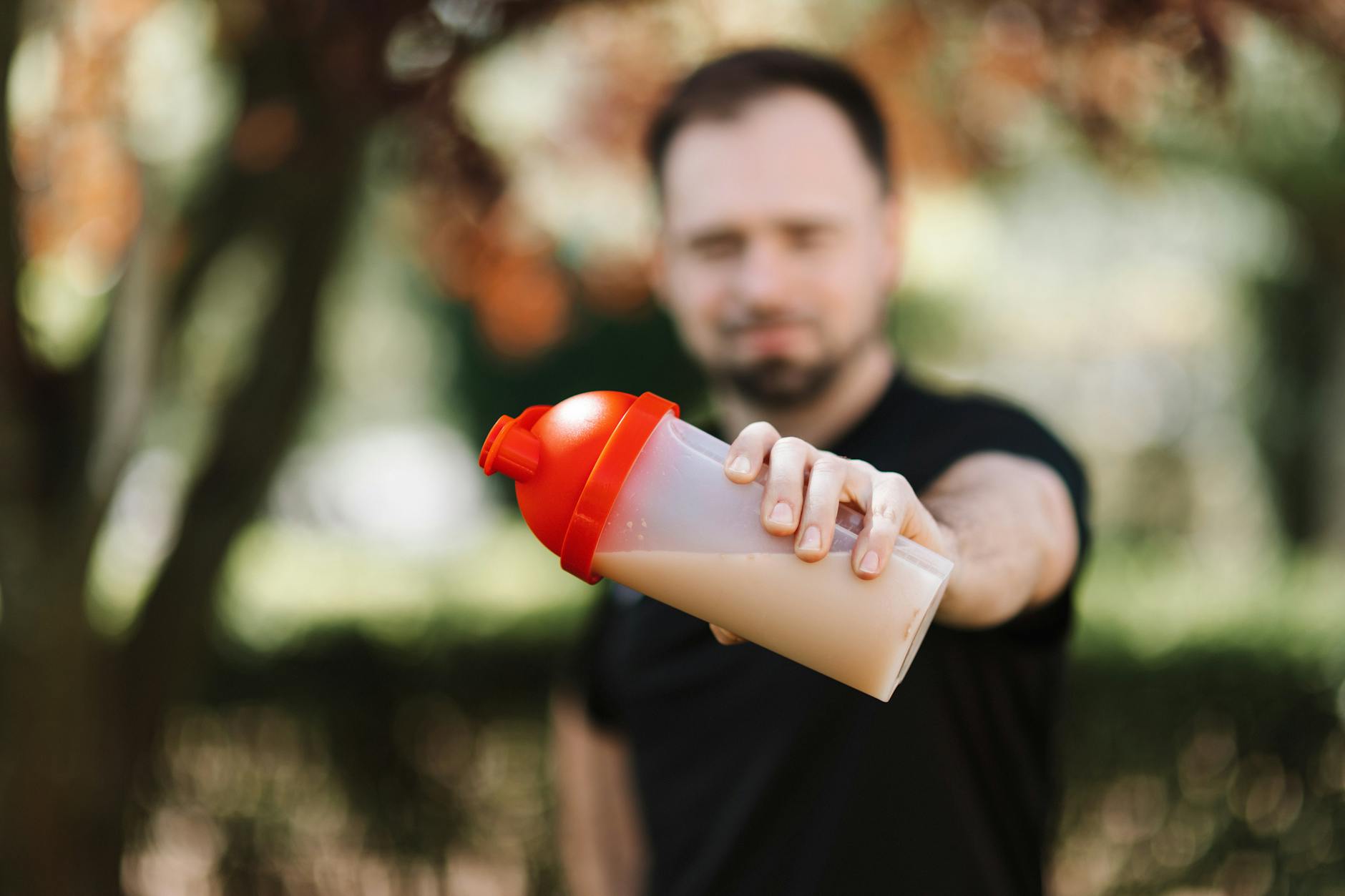
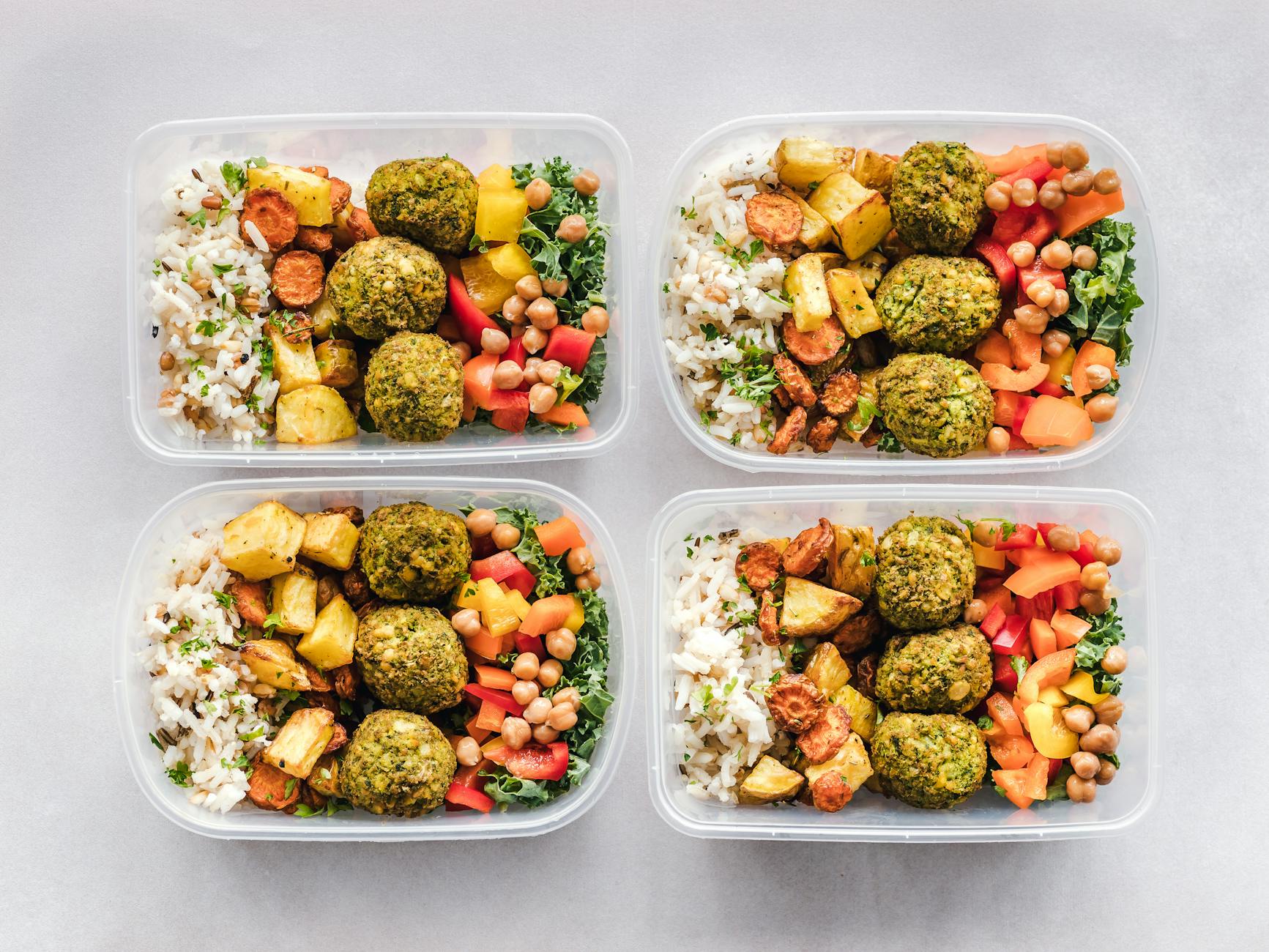
The practical fix is to anchor your small meals around protein first. Greek yogurt, eggs, cottage cheese, chicken, fish, or whatever you’ll actually eat. Protein shakes can fill gaps without requiring much appetite.
Muscle mass and resistance training
Technically not a nutrient, but inseparable from the protein discussion. Muscle loss on GLP-1s is a known issue, and the medications don’t cause it directly. The extreme calorie restriction does.
Resistance training two to three times per week is the most effective way to send a signal to your body to hold onto lean tissue during weight loss. This is true on or off any medication.
B12
Vitamin B12 requires adequate stomach acid for absorption, and stomach acid decreases with age. GLP-1 medications also slow gastric emptying, which changes the absorption environment. This may or may not affect B12 absorption meaningfully on its own, but if you’re also eating less meat and eggs (the main dietary sources), deficiency risk compounds.
B12 deficiency develops slowly and can take years of inadequate intake before symptoms appear, which makes it easy to miss. Fatigue, numbness, and cognitive changes are the main signals. A basic blood panel can check your levels; supplementation or injections correct deficiency reliably.
Iron
Eating less means eating less iron. This is especially relevant for premenopausal women, who need more iron than men and postmenopausal women due to menstrual losses.
Iron deficiency is the most common nutrient deficiency globally. On GLP-1 medications with significantly reduced food intake, it’s worth monitoring. Symptoms of deficiency include fatigue, weakness, and hair shedding, which overlaps with other things people experience during weight loss, making it easy to attribute to the wrong cause.
Calcium and Vitamin D
Bone health matters during significant weight loss. Reducing body weight reduces mechanical loading on bones, which can contribute to density loss over time. Combined with lower calcium and D intake from eating less overall, this is worth paying attention to, particularly for women over 40.
Most people on these medications aren’t eating enough dairy, fortified foods, or leafy greens to hit the 1,000–1,200 mg calcium target through food alone. A supplement that combines calcium and vitamin D3 is a low-cost, low-risk way to fill the gap.
Fiber
GLP-1 medications slow gastric emptying significantly. Adding insufficient fiber to an already slowed gut can cause constipation, which is common on these medications. Most people eating 1,000–1,200 calories per day are getting far less than the 25–38 grams per day recommended for adults.
Prioritizing vegetables, legumes, and whole grains, within whatever appetite you have, helps here. Psyllium husk is a simple supplement option if food-based fiber is difficult.
What a sensible approach looks like
You don’t need a dozen separate supplements. For most people on GLP-1 medications, the practical list is:
- A quality multivitamin to catch general gaps
- Extra protein (food-first, supplement to fill gaps)
- Vitamin D (most people are deficient regardless)
- Periodic blood work covering iron, B12, and vitamin D at minimum, every 6–12 months
If you have a prescribing doctor, ask for a nutrition referral. Registered dietitians who work with bariatric patients are experienced with exactly this kind of intake challenge.