7 Foods That Feed Beneficial Gut Bacteria, According to Research
What you eat shapes your microbiome more than any supplement. These foods have clinical evidence behind them, not just general claims about being 'gut-friendly.'
The supplement aisle is full of products promising to improve your gut microbiome. Most of them have modest evidence at best. What the research consistently shows is that diet has the largest and most lasting influence on the composition of your gut bacteria, more than any probiotic supplement, and more quickly than most people expect.
A 2022 study from Stanford found that a high-fermented-food diet significantly increased microbiome diversity in healthy adults over 10 weeks and decreased markers of immune activation. Diet changes can shift the microbiome meaningfully within days to weeks.
Here are seven foods with solid research behind them, and what each one actually does.
1. Fermented foods
Yogurt, kefir, kimchi, sauerkraut, miso, and tempeh contain live microorganisms that survive transit to the colon and contribute to microbial diversity.
The Stanford study mentioned above tested high-fermented-food diets directly against high-fiber diets in a randomized crossover design. The fermented-food group showed greater increases in microbiome diversity and lower levels of 19 inflammatory proteins. Diversity is a key marker of a healthy microbiome, since more diverse communities tend to be more resilient to disruption.
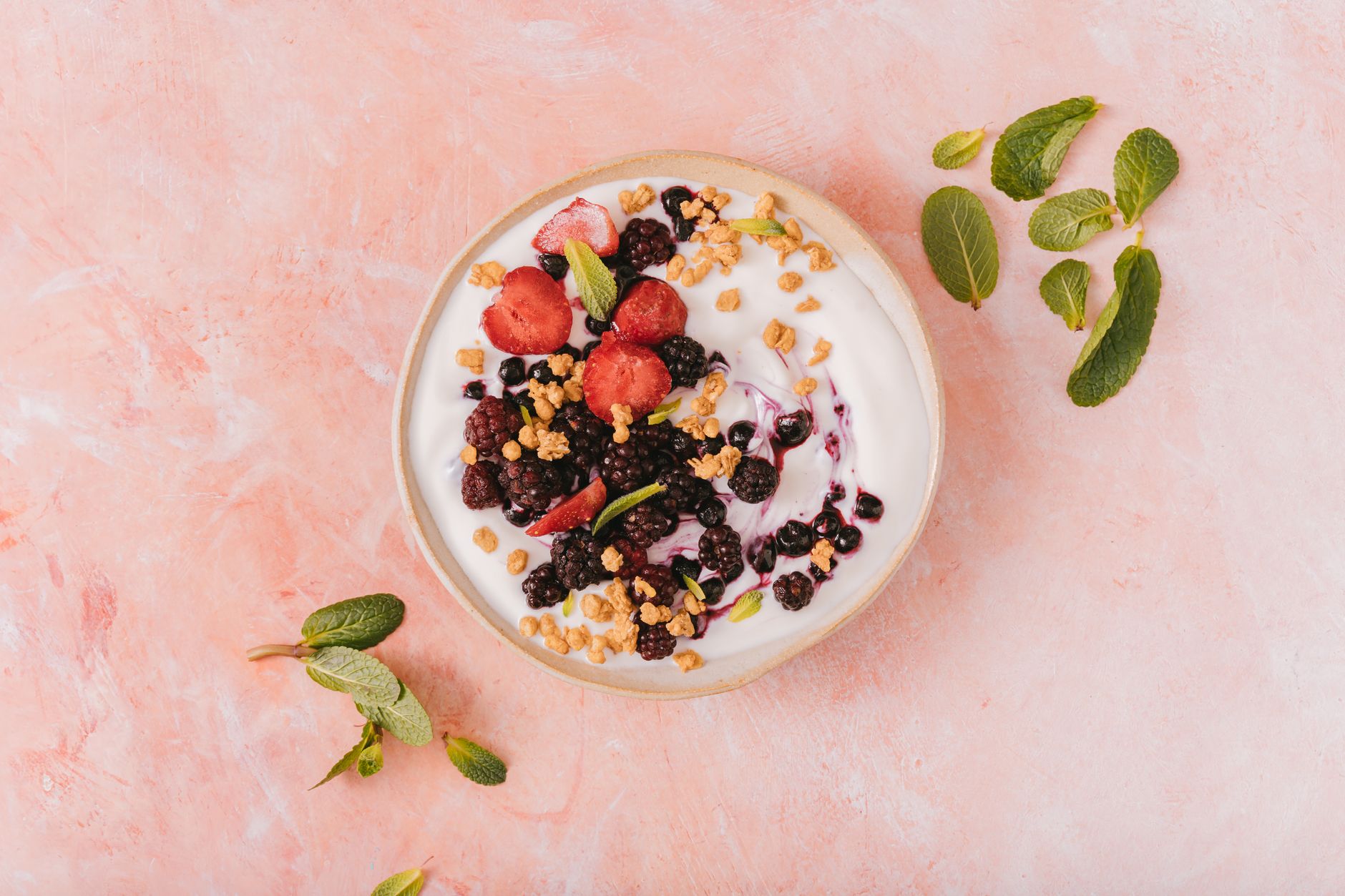
Plain yogurt with live active cultures is the most accessible fermented food. Look for products listing live bacterial cultures on the label. Greek yogurt works, but check that it still contains live cultures after straining.
2. Garlic and onions
These are among the best dietary sources of fructooligosaccharides (FOS) and inulin, types of prebiotic fiber that humans cannot digest but beneficial gut bacteria can.
Prebiotics are the food supply for probiotics. Without adequate prebiotic intake, even a well-colonized microbiome has limited substrate to work with. A 2010 review in the British Journal of Nutrition found that FOS and inulin supplementation consistently increased populations of Bifidobacterium, a genus associated with good gut health, immune function, and protection against pathogens.
One caveat: garlic and onions are also high-FODMAP foods. For people with IBS or SIBO, these foods can trigger symptoms. In those cases, leek greens and the green tops of spring onions provide some prebiotic benefit with lower FODMAP content.
3. Legumes (beans, lentils, chickpeas)
Legumes are high in resistant starch and soluble fiber, both of which ferment in the colon and fuel the production of short-chain fatty acids (SCFAs), especially butyrate. Butyrate is the primary fuel for colonocytes (the cells lining your colon) and plays a key role in maintaining the intestinal barrier.
A 2017 study in Applied and Environmental Microbiology found that eating 1/2 cup of canned navy beans daily for four weeks increased both microbiome diversity and SCFA production in healthy adults.
Legumes are among the most consistent predictors of microbiome health in large dietary surveys. The Mediterranean and MIND diets, both associated with lower risk of metabolic and cognitive disease, are notably high in legumes.
4. Jerusalem artichokes
These knobby root vegetables (also called sunchokes, unrelated to globe artichokes) are one of the highest dietary sources of inulin. A single 100-gram serving provides roughly 14–19 grams of inulin, more than almost any other whole food.
Clinical trials using Jerusalem artichoke extract have found significant increases in Bifidobacterium and Lactobacillus populations after 4–8 weeks of consumption. A 2014 randomized controlled trial in the British Journal of Nutrition found that 10 grams of Jerusalem artichoke inulin daily for four weeks significantly increased prebiotic bacterial populations.
Start with small amounts. Because of their high inulin content, Jerusalem artichokes can cause significant gas and bloating when introduced too quickly. Your gut bacteria will adapt with gradual introduction.
5. Unripe (green) bananas
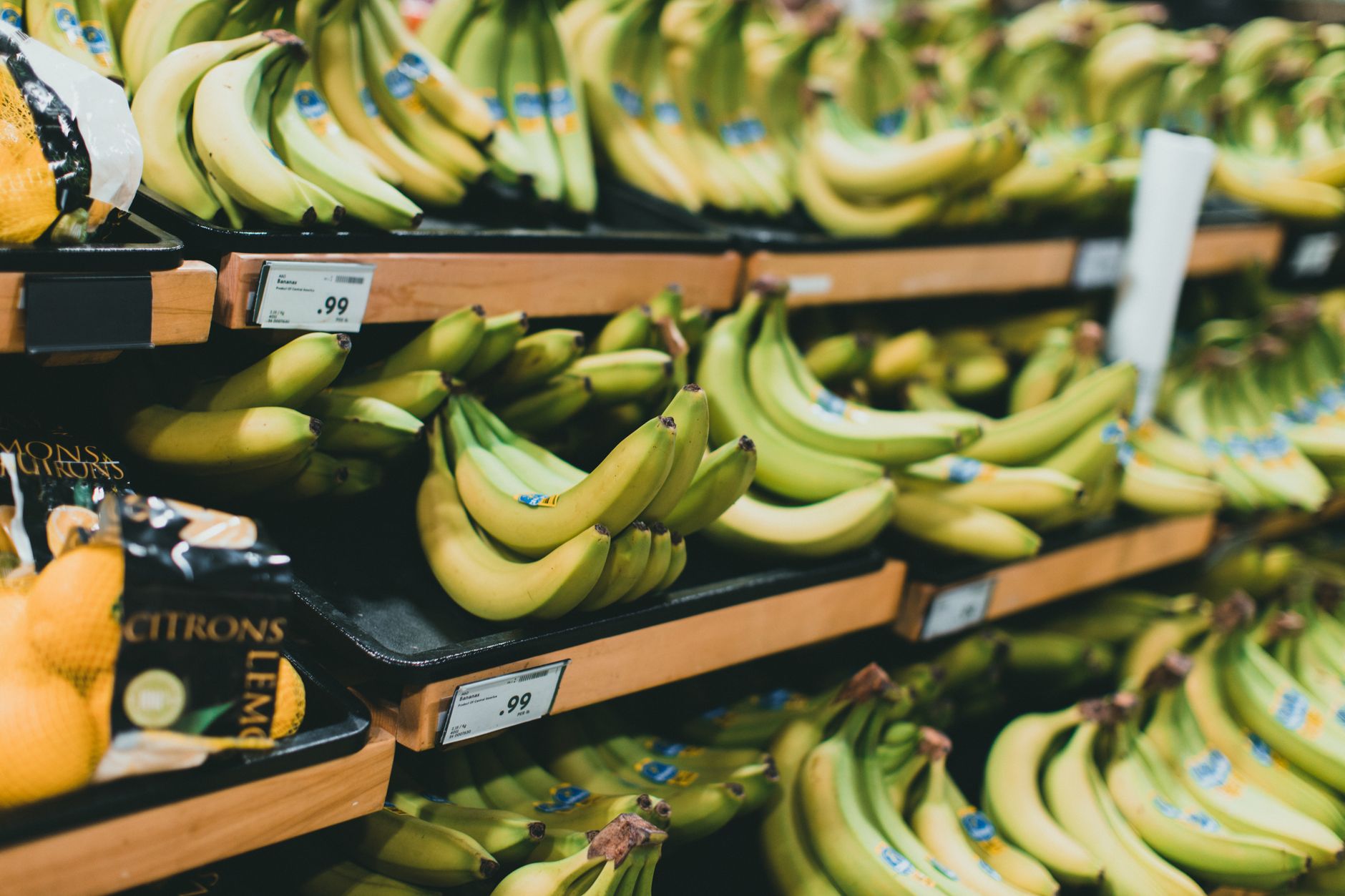
Most people know ripe bananas as a high-sugar fruit. Unripe bananas have a different nutritional profile: lower sugar, higher resistant starch. Resistant starch is starch that reaches the colon intact and feeds bacteria rather than being absorbed as glucose.
A 2018 study in Nutrients found that green banana flour consumption increased populations of Bifidobacterium and Lactobacillus and reduced markers of intestinal permeability over four weeks. Resistant starch in general is well-supported as a prebiotic substrate in multiple trials.
If fully green bananas aren’t appealing, oats, cooked and cooled potatoes, and cooked and cooled rice also develop resistant starch and provide similar prebiotic benefits.
6. Flaxseed
Flaxseed provides soluble mucilaginous fiber (similar in some ways to psyllium), lignans with prebiotic properties, and omega-3 fatty acids. Ground flaxseed is more bioavailable than whole seeds, which often pass through undigested.
A 2015 study in the Journal of Nutrition found that flaxseed supplementation altered microbiome composition in a direction associated with reduced inflammatory markers. More recent research has looked specifically at the interaction between flaxseed lignans and gut bacteria, finding that the bacteria ferment lignans into enterolignans, compounds with antioxidant and potential anti-estrogenic properties.
Two tablespoons of ground flaxseed daily is a practical dose that provides both prebiotic benefit and meaningful fiber.
7. Cruciferous vegetables (broccoli, cauliflower, Brussels sprouts, cabbage)
Cruciferous vegetables contain glucosinolates, sulfur-containing compounds that are converted by gut bacteria into bioactive metabolites including indoles and isothiocyanates. These metabolites influence gut immune function and have been studied for their effects on the intestinal barrier and inflammatory signaling.
A 2019 study in Gut Microbes found that cruciferous vegetable intake was positively associated with microbiome diversity in a large observational study. Cruciferous vegetables are also high in fiber, vitamin C, and vitamin K.
Cooking method matters. Lightly steaming or roasting preserves more of the prebiotic compounds than boiling, which leaches water-soluble nutrients out.
The bottom line
You don’t need a supplement to feed your gut bacteria. The research on diet and the microbiome consistently points to the same pattern: diversity of plant foods, regular intake of fermented foods, and adequate fiber from whole food sources. These foods work because they provide prebiotic substrate that your resident bacteria can actually use, not because they introduce new bacteria from outside.
Adding 2–3 of these foods regularly is more likely to shift your microbiome in a favorable direction than any supplement, and the benefits compound over time.