What L-Theanine Can and Can't Do for Anxiety
See what the research on L-theanine for anxiety shows, where the evidence is weakest, and how much people take, before you decide if it is worth trying.

L-theanine sits in a strange spot on the supplement shelf. It is cheap, it comes from tea, it has a clean safety record, and a lot of people take L-theanine for anxiety on the strength of one word they read somewhere. That word is relaxing. The trials point in several directions at once, and the direction they point least is calm.
What is L-theanine?
L-theanine is an amino acid, which is one of the building blocks that make up protein. This one is unusual. Your body doesn’t use it to build anything, and it barely shows up in food outside of one plant.
That plant is tea. Theanine is the most abundant free amino acid in tea leaves, and it produces the savory, brothy taste that tea drinkers call umami. Growers care about it because higher theanine content means better-tasting, more expensive tea.
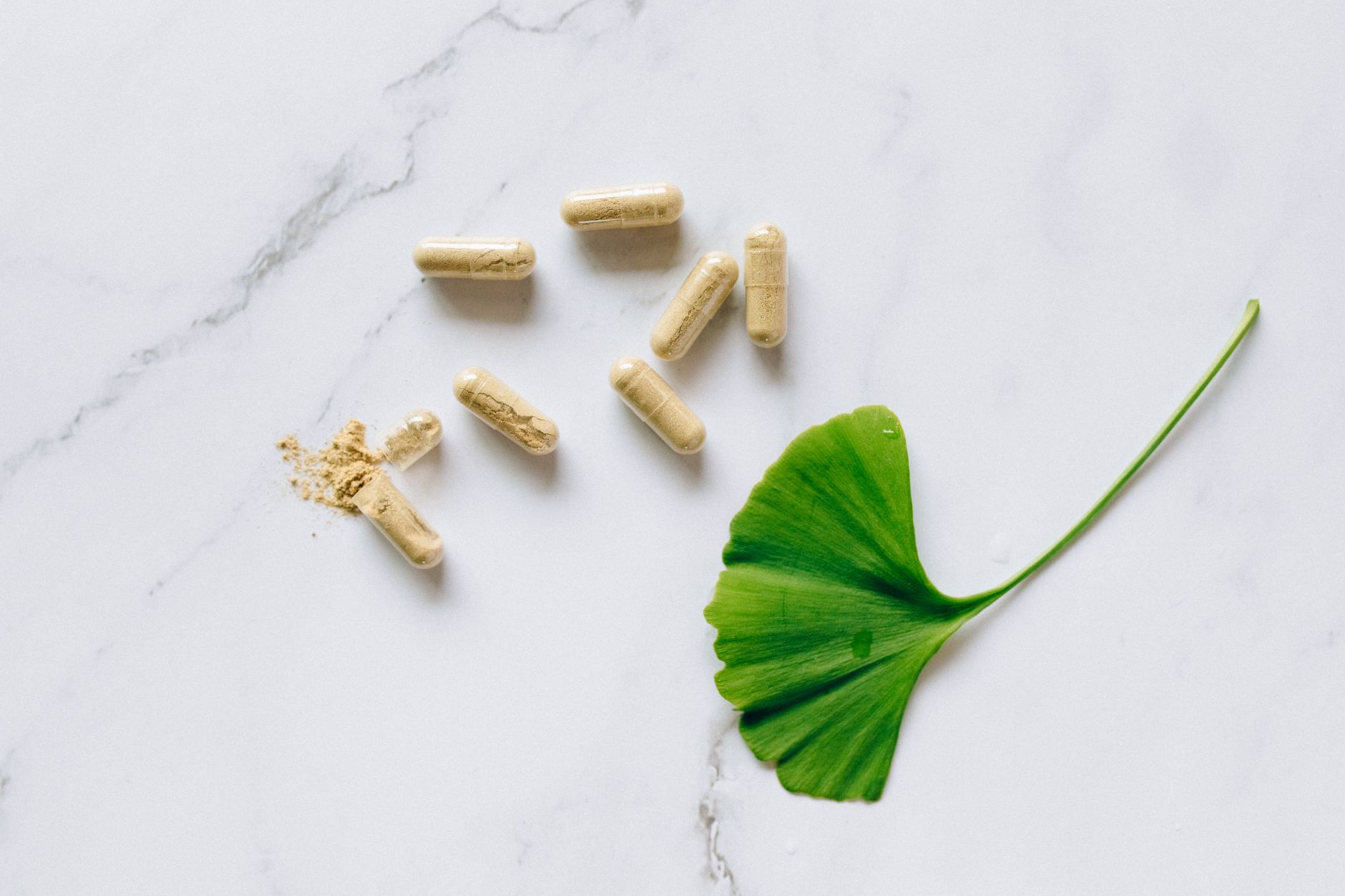
Supplements either pull it out of the leaf or make it with bacterial enzymes, then put it in a capsule at a dose far higher than a cup of tea delivers. Every trial described below tested a capsule. None of them tested tea.
Does L-theanine work for anxiety?
Anxiety is the claim with the least evidence behind it. That is a strange thing to be true of a supplement most people buy for exactly that reason.
In 2026, researchers pulled together 31 randomized controlled trials covering 1,168 people and analyzed them as one body of evidence. On anxiety, their finding was blunt. Effects were “inconsistent and non-significant,” with a single exception in one study of anxiety in people with psychosis.
Non-significant means the results were close enough to what chance alone would produce that researchers can’t separate the two. Added together, these trials failed to show an effect on anxiety. That falls short of proving there is none, and it remains the best evidence anyone has.
Only one trial has tested L-theanine in people who carry an anxiety diagnosis. Researchers gave 46 adults with generalized anxiety disorder either L-theanine or a placebo alongside the antidepressants they were already taking. L-theanine did not beat placebo on the anxiety scale. It also did not beat placebo on insomnia severity. The one thing that did improve was how satisfied people said they were with their sleep.
So if you have a diagnosed anxiety disorder, this is probably not your treatment.
What the research does support
Set the word anxiety aside and the evidence gets stronger.
Attention: This is the most solid finding in the whole literature. In that same 2026 analysis, a single 200 mg dose taken 30 to 60 minutes before testing meaningfully improved reaction time on tasks that require paying attention. The researchers described the short-term attention benefit as robust.
Everyday stress: The reduction in acute stress was modest, and the reviewers noted it was “largely influenced by studies with a high risk of bias.” The trials showing the biggest stress benefits were also the trials with the most room for error in how they were run. An earlier review of nine trials reached the same conclusion, finding that 200-400 mg a day may help reduce stress and anxiety in people under stressful conditions while calling for longer and larger studies before anyone treats it as settled.
Mood: A single dose produced a measurable drop in depressive symptoms in healthy people once one unusual study was set aside. The reviewers flagged this as promising and unconfirmed, and it needs better trials.
Sleep: This keeps turning up as a side finding rather than a main result. A four-week trial gave 30 healthy adults 200 mg a day and found improvements in sleep quality along with lower scores on a trait anxiety scale, which measures the anxiety a person carries generally rather than what they feel in the moment. That same trial found no change on the in-the-moment measure. Only about a fifth of everything they measured showed a real difference, and with 30 people the study was small enough to miss effects that exist.
The clearest wins are attention and sleep quality. Calm is the thing it’s sold for and the thing the data supports least.
How much do people take?
Trials that find a benefit cluster in the 200-400 mg a day range, which is also the range the nine-trial review pointed to. The four-week sleep and stress trial used 200 mg. The attention finding comes from a single 200 mg dose taken half an hour to an hour before it’s needed.
Higher is not obviously better. The generalized anxiety trial used 450 to 900 mg a day and still came up empty against placebo.
Timing depends on what you want. For attention, the evidence supports taking it shortly before the thing you need to focus on. For sleep and general stress, the trials that found benefits gave it daily over weeks.
Can you get enough from tea?
Not without a caffeine problem.
Researchers measured theanine and caffeine in 37 commercial teas using laboratory analysis. Green tea averaged 6.56 mg of theanine per gram of leaf. It also averaged 16.28 mg of caffeine per gram, roughly two and a half times as much caffeine as theanine.
Run the numbers. Reaching a 200 mg study dose from green tea would take about 30 grams of leaf, which carries close to 500 mg of caffeine along with it. That is a lot of caffeine for one day, and it would wind you up long before the theanine settled you down.
Theanine content varied widely between products of the same type, so the label on the box tells you little. And pu-erh tea had almost none.
Tea is still worth drinking. A cup of tea and a 200 mg capsule are two different interventions, and the research on capsules doesn’t transfer to the teapot.
Is it safe?
Across all 31 trials in the 2026 analysis, covering more than a thousand people, no serious adverse events were reported. The reviewers checked dropout rates and reasons in both groups and concluded plainly that L-theanine is safe.
That is a meaningful finding, though it comes with the usual caveat about supplement trials. These studies ran for weeks or months, not years, and they enrolled mostly healthy adults. Long-term use in people with other conditions has not been studied the same way.
What’s on a label and what’s in the bottle are two different questions. The tea analysis above found theanine content varying widely between products of the same type, and that kind of gap is the same problem we’ve written about with ashwagandha and rhodiola.
When to talk to someone
If your anxiety interferes with work, sleep, relationships, or getting through an ordinary day, that is worth a conversation with a doctor or a therapist rather than a supplement experiment. The strongest single piece of evidence we have on L-theanine and diagnosed anxiety is a trial where it did not help.
The same goes if anxiety showed up suddenly, got worse quickly, or arrived alongside physical symptoms like chest pain, a racing heart, or weight changes. Those patterns need someone who can examine you and run tests.
And if your stress has been running for months rather than days, the more useful question is what’s driving it. Chronic stress changes real things in the body that a capsule doesn’t reach, and poor sleep feeds the cycle from the other end.
Questions readers ask about L-theanine
How long does it take to work? For attention, 30 to 60 minutes, which is the window used in the trials that found an effect. For stress and sleep, the studies that found benefits ran daily for four weeks or more. If you’re testing it for calm, judging it after two days won’t tell you much.
Can I take it with coffee? People commonly pair the two, and tea contains both by nature. The stress and anxiety trials tested theanine on its own, so the evidence in this article doesn’t speak to the combination.
Will it make me sleepy? The trials don’t describe it as sedating, and no serious side effects turned up across 31 studies. What improved in the sleep research was quality and satisfaction, not drowsiness during the day.
Is it worth trying for ordinary stress? It’s inexpensive, it has a clean safety record, and the dose range is well established. Those are reasonable grounds to try it. Go in expecting a small effect, and know that the calming benefit is the least supported claim on the label.
Does the brand matter? Theanine content varied a lot between tea products of the same type in the analysis above, so it’s reasonable to look for a supplement checked by an outside lab. That doesn’t verify any health claim, only that the capsule holds what the label says.
L-theanine is one of the few supplements where the marketing and the evidence point in different directions and the evidence is still decent. It looks like a mild attention aid with a possible sleep benefit and a clean safety profile. It does not look like an anxiety treatment. If you buy it for the first thing, you’ll probably be satisfied. If you buy it for the second, the research suggests you’ll be disappointed.